
Wastewater Treatment Services in Vietnam
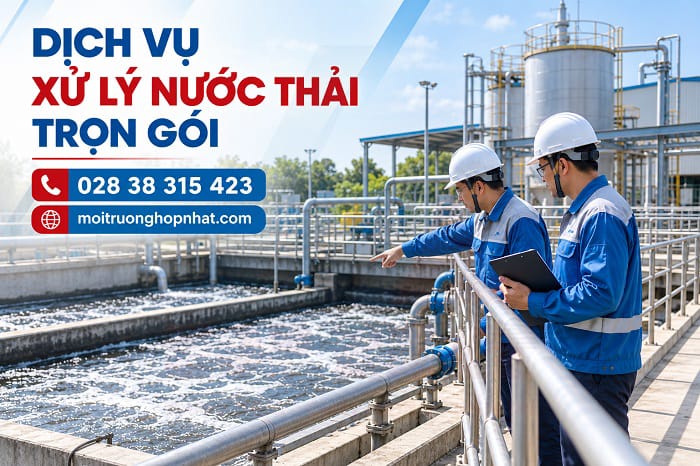
Turnkey Wastewater Treatment Services for Businesses
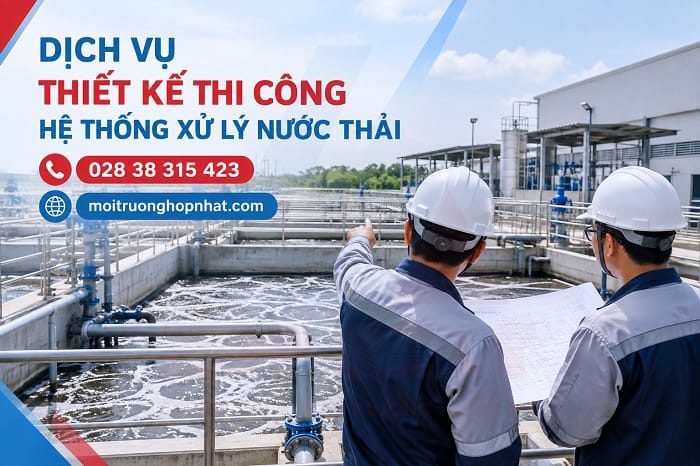
Wastewater Treatment System Design and Construction Services
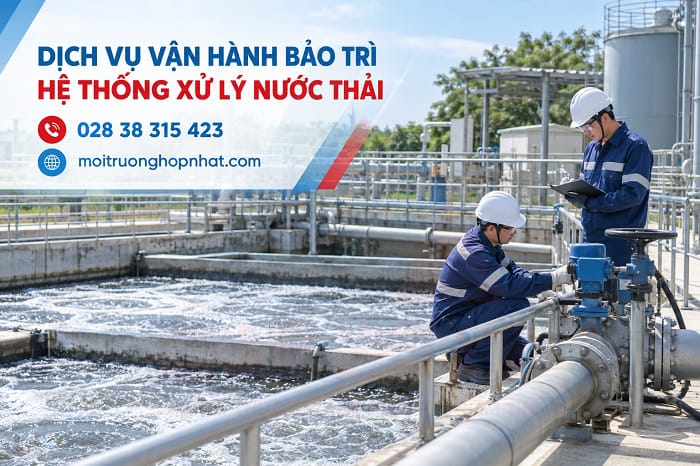
Wastewater Treatment System Operation and Maintenance Services
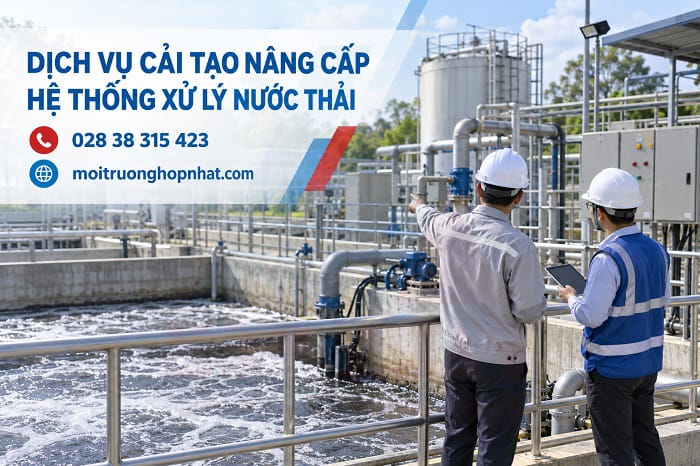
Wastewater Treatment System Renovation and Upgrade
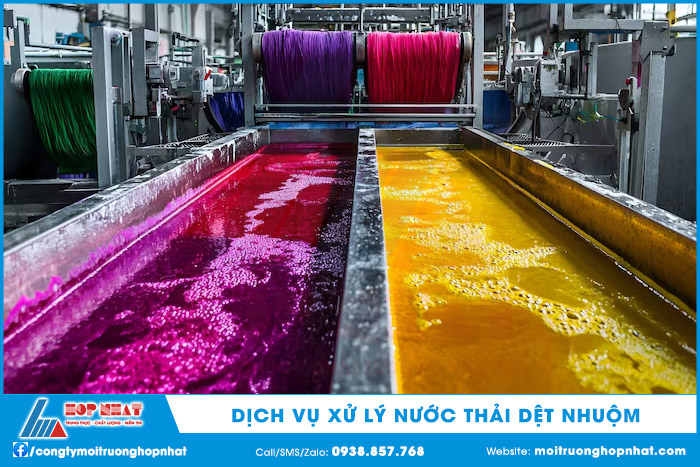
Textile Dyeing Wastewater Treatment Services

Cost-Effective Electroplating Wastewater Treatment Services
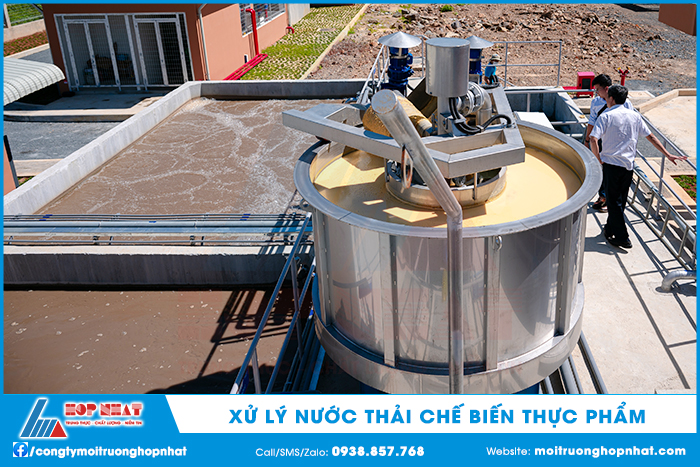
Food Processing Wastewater Treatment Company
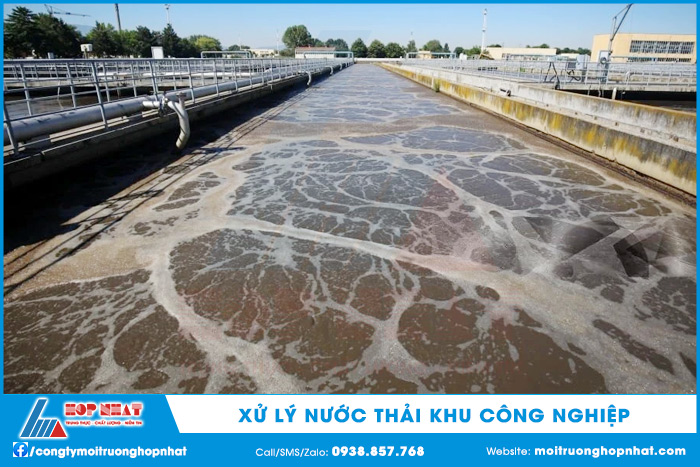
Industrial Park Wastewater Treatment

Wastewater Treatment Services in Dong Nai
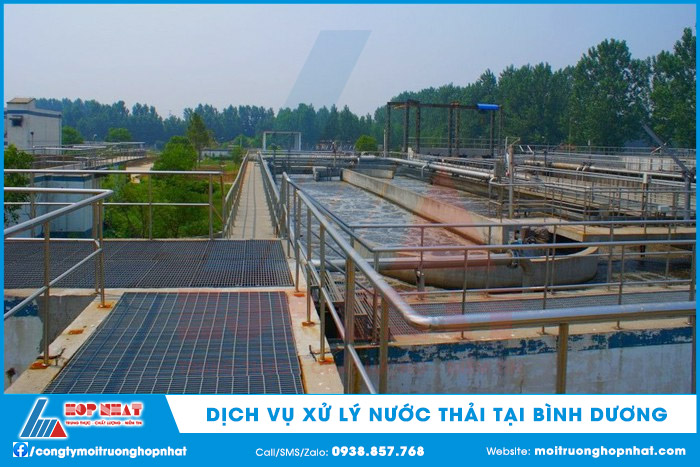
Wastewater Treatment Services in Binh Duong
For a quick answer, <TAP THE CALL BUTTON BELOW> to speak with a consultant

Or fill in the contact form and a Hop Nhat Environment consultant will get back to you.

Wastewater treatment systems are installed to protect the environment and, in some cases, to reuse treated water, helping to address “the increasingly serious shortage of clean water and pollution of water sources”.

1. What is wastewater treatment?
Wastewater treatment is the process of removing pollutants from wastewater using specialized technologies to produce water that meets the standards for discharge back into the environment. The treated effluent complies with government regulations and does not harm the environment or natural water bodies such as ponds, lakes, rivers, streams and oceans, or the groundwater it may seep into.
Wastewater treatment is one of the key measures for controlling water pollution and the increasingly severe shortage of clean water.
2. What is a wastewater treatment system?
Simply put: “A wastewater treatment system combines individual technologies into a complete process designed to meet your specific wastewater treatment needs.”
- Example: You need to treat medical wastewater (hospitals, health stations, clinics, etc.).
- Recommendation: You can use a combined AAO – MBR wastewater treatment system: a biological treatment system widely used in hospitals, health stations and clinics today.
As the example above illustrates, “different wastewater treatment needs call for different treatment technologies”, so as to comply with the authorities’ discharge regulations, avoid polluting the environment, or allow the treated water to be reused.
We can therefore conclude: “A wastewater treatment system is a dynamic process (because it can change according to usage needs, rather than one fixed process for all).” An effective, well-designed wastewater treatment system will meet the following requirements:
- Now: it treats wastewater effectively according to the user’s needs (effluent meets discharge standards; installation and operating costs are reasonable, etc.).
- In the future: it can accommodate changes in treatment demand (changes in flow rate, wastewater composition, regulatory requirements, chemical dosage, etc.), avoiding costly upgrades or equipment replacement.

We now understand the concept of a wastewater treatment system. But since a wastewater treatment system is a dynamic process, does it have any fixed basic components? Let’s find out with Hop Nhat.
3. Basic components of a wastewater treatment system
As mentioned in the concept section, to accurately determine the components of a wastewater treatment system, we need to know the characteristics of the wastewater and the discharge standards required by the authorities. Nevertheless, the basic components of a wastewater treatment system include:
- Settling tanks, bar screens, etc.: to remove suspended solids during treatment.
- Water pumps: to control the flow of wastewater.
- Chemical dosing: to facilitate coagulation, flocculation, precipitation, etc., in order to remove organic and inorganic matter, fine suspended solids, heavy metals and more.
- Filtration: to remove remaining suspended solids (suitable equipment is selected for the filtration stage according to discharge regulations).
- pH adjustment: depending on the system, this usually takes place in the chemical treatment stage.
- Electrical control panel: based on the facility’s need for automated operation.
The basic components above are sufficient for a basic wastewater treatment system. However, businesses that require a higher level of treatment may need to add technologies or features at certain stages.
Example: For a food or fruit beverage manufacturer, the wastewater treatment technology will focus on removing organic matter. This means careful consideration and calculation are needed when investing in components for the biological treatment stage.
We have now covered the basic components of a wastewater treatment system. The example shows that “the contaminants in wastewater determine the treatment technology”. So which contaminants does a wastewater treatment system need to remove? The section below will tell you.

4. Which contaminants does a wastewater treatment system remove?
A properly designed wastewater treatment system removes contaminants found in wastewater, such as:
- Metals: mainly found in wastewater from metallurgy, electroplating and similar industries. Production processes discharge wastewater with high metal concentrations. Because metals do not degrade, if left untreated they can accumulate after discharge, polluting the environment and harming human health and living organisms.
- Pathogens: viruses, fungi, germs, bacteria, microorganisms, etc. in wastewater that can cause many dangerous diseases. If untreated wastewater is discharged into the environment, it can spread diseases such as cholera, bacterial infections and hepatitis.
- Nitrates and phosphates: if wastewater containing nitrates and phosphates is discharged untreated, it can raise the BOD level in the water and cause algae, weeds and plankton to grow rapidly => leading to eutrophication and oxygen depletion in a water body => killing aquatic life and creating dead zones.
- Biochemical oxygen demand (BOD): the higher the BOD in water, the faster dissolved oxygen is depleted, leaving other aquatic organisms unable to survive.
- Total dissolved solids (TDS): if wastewater containing TDS is discharged untreated, it can harm aquatic life and irrigation systems and affect crops. It can also seep into groundwater, affecting the health of people who use it over a long period.
- Total suspended solids (TSS): TSS reduces the oxygen in the aquatic environment, killing aquatic organisms. TSS can also cause scaling and odors in pipelines and machinery.
- Other synthetic chemicals: chemicals that can harm human and animal health and disrupt hormones, such as pesticides, dioxins, DDT, PCBs, etc.

Have the three sections above given you a basic understanding of wastewater treatment systems? Next, Hop Nhat explains how such a system works and what the process looks like. Read on.
5. How a basic wastewater treatment system works
The process varies with the characteristics and properties of each type of wastewater. In general, however, the operation of a basic wastewater treatment system includes the following stages.
5.1. Preliminary treatment
Wastewater from the source enters the system and passes through a bar screen to remove trash and debris. The screenings are collected for treatment or landfill disposal. The wastewater is then pumped from the collection tank to the settling tank for further treatment.
5.2. Primary treatment
The water is pumped into the settling tank, where its flow slows down. Lighter solids that float to the surface (e.g. oil and grease, plastic fragments, plastic pellets) are skimmed off. At the same time, sludge and organic solids (feces, paper, food scraps, etc.) settle to the bottom. This sludge is drawn off from the bottom of the tank for thickening and digestion.
5.3. Secondary treatment
This stage comprises the main treatment processes: anaerobic, anoxic and aerobic treatment.
- Anaerobic treatment (UASB tank): a wastewater treatment process involving anaerobic microorganisms (microorganisms that live and grow in an environment without dissolved oxygen). The purpose of this stage is to break down readily biodegradable organic matter into end products such as CH₄ (methane), CO₂, etc.
- Anoxic treatment (anoxic tank): a wastewater treatment process involving anoxic microorganisms (microorganisms that live and grow in an environment low in dissolved oxygen (DO < 0.5 mg/L), but where bound oxygen is still available in the form of nitrate (NO₃-) or nitrite (NO₂-) for them to use). It is mainly used to remove nitrogen from wastewater through denitrification.
- Aerobic treatment (aeration tank): a biological treatment process that takes place in the presence of dissolved oxygen. In the aerobic tank, air is continuously supplied by aeration to create favorable conditions for the aerobic microorganisms in the wastewater to grow and multiply. These microorganisms consume the organic matter in the wastewater to grow, producing biological sludge, CO₂ and H₂O.
5.4. Disinfection
Treated water flows from the settling tank to the disinfection tank, where disinfectants such as NaCl or bleach are added to disinfect the wastewater and eliminate any remaining pathogens. Finally, the treated water is discharged to the receiving water body (usually local ponds, lakes, rivers, streams or canals) or reused.
5.5. Other specialized treatment
Sludge and solid waste from this process can be handled in various ways: landfilling, processing into fertilizer, or incineration for energy recovery.
In addition, depending on the characteristics of each industry, there may be further requirements to remove metals or certain other organic substances from the wastewater so that the effluent meets Vietnam’s national technical regulations for parameters such as BOD, TDS and TSS, as described in section 3 of this article.

Through the five stages Hop Nhat has just outlined, you now know the operating process of a basic wastewater treatment system in detail. Hop Nhat Environment thanks you for taking the time to read this article and hopes the information is useful to you.
6. Current wastewater treatment systems
There are many different types of wastewater treatment systems. Some conventional wastewater treatment methods in use today include coagulation and flocculation systems using aluminum chloride and polyelectrolytes. This physicochemical method generates large amounts of sludge that pollute the environment.
With climate change, water pollution is becoming increasingly serious: “most developed and developing countries have strict regulations on the management of industrial and domestic wastewater”.
With scientific progress and the significant technological improvements made over the years, there have been many new reports and studies on modern wastewater treatment systems, including new systems such as: “Chemical precipitation, nanofiltration, algae-based treatment, reverse osmosis, ion exchange, ultrafiltration and biosorption are the latest wastewater treatment methods in recent use”.

Below is information for businesses that need wastewater treatment, so they can contact Hop Nhat Environment for advice on a wastewater treatment system that suits their operations.
7. Reliable, high-quality, cost-effective wastewater treatment services
Dear valued customers, Hop Nhat Environment is pleased to introduce our professional, turnkey wastewater treatment services for a wide range of industries. With more than 10 years of experience designing wastewater treatment solutions optimized for each business’s needs and actual conditions, we guarantee compliant effluent at the lowest and most suitable cost. Our services include:
- System consulting & design;
- Construction & installation;
- Operation & maintenance;
- Upgrade & renovation;
- Supply of chemicals and equipment.

Hop Nhat is confident in its ability to treat wastewater from all industries and has completed many wastewater treatment projects highly rated by clients. Typical industries include:
- Domestic wastewater from buildings, apartment complexes, offices, factories and workshops;
- Wastewater from restaurants, tourist areas, resorts and shopping malls;
- Powder coating;
- Electroplating and machining;
- Chemical and petrochemical industries and oil refineries;
- Healthcare, hospitals and clinics;
- Food processing;
- Textile dyeing and printing;
- Paper and printing ink production;
- Livestock farming and aquaculture;
- And many other sectors.

There are many providers of wastewater treatment services on the market today, each with its own advantages and strengths. Hop Nhat always strives to deliver the best solutions to clients and to become a long-term partner to every client we work with.
|
✅ Flexible to your requirements |
⭕ We undertake wastewater treatment contracts for individual work packages or on a turnkey basis, according to each client’s actual needs. |
|
✅ Time-saving |
⭐️ Delivery on schedule as committed. Construction is scheduled so as not to disrupt the client’s production and business operations. |
|
✅ Cost-optimized |
⭕ Competitive pricing. Quality equipment with warranty. Advanced, energy-efficient technology that is easy to operate. |
|
✅ Easy to renovate and upgrade |
⭐️ When a business expands in the future, the system can be renovated and upgraded. Our engineers plan for this carefully from the start for the client’s convenience. |
|
✅ Full legal compliance |
⭕ As-built documentation is completed for the wastewater treatment works upon completion, making it easy for the project owner to prepare environmental compliance documents later. |
|
✅ Integrated services |
⭐️ Hop Nhat also provides environmental compliance services. Consistency between the wastewater treatment works and the documentation helps businesses complete environmental procedures quickly. |
Please feel free to share the issues you are facing; Hop Nhat Environment is ready to advise you on a solution suited to your actual conditions. For details, please contact us directly via Zalo/Hotline: 0938.857.768 for dedicated support.
Save maximum time and cost => send your documents now to:
congthongtin@moitruonghopnhat.com
Or contact our experts now 24/7 (Call/SMS/Zalo): 0938.857.768


